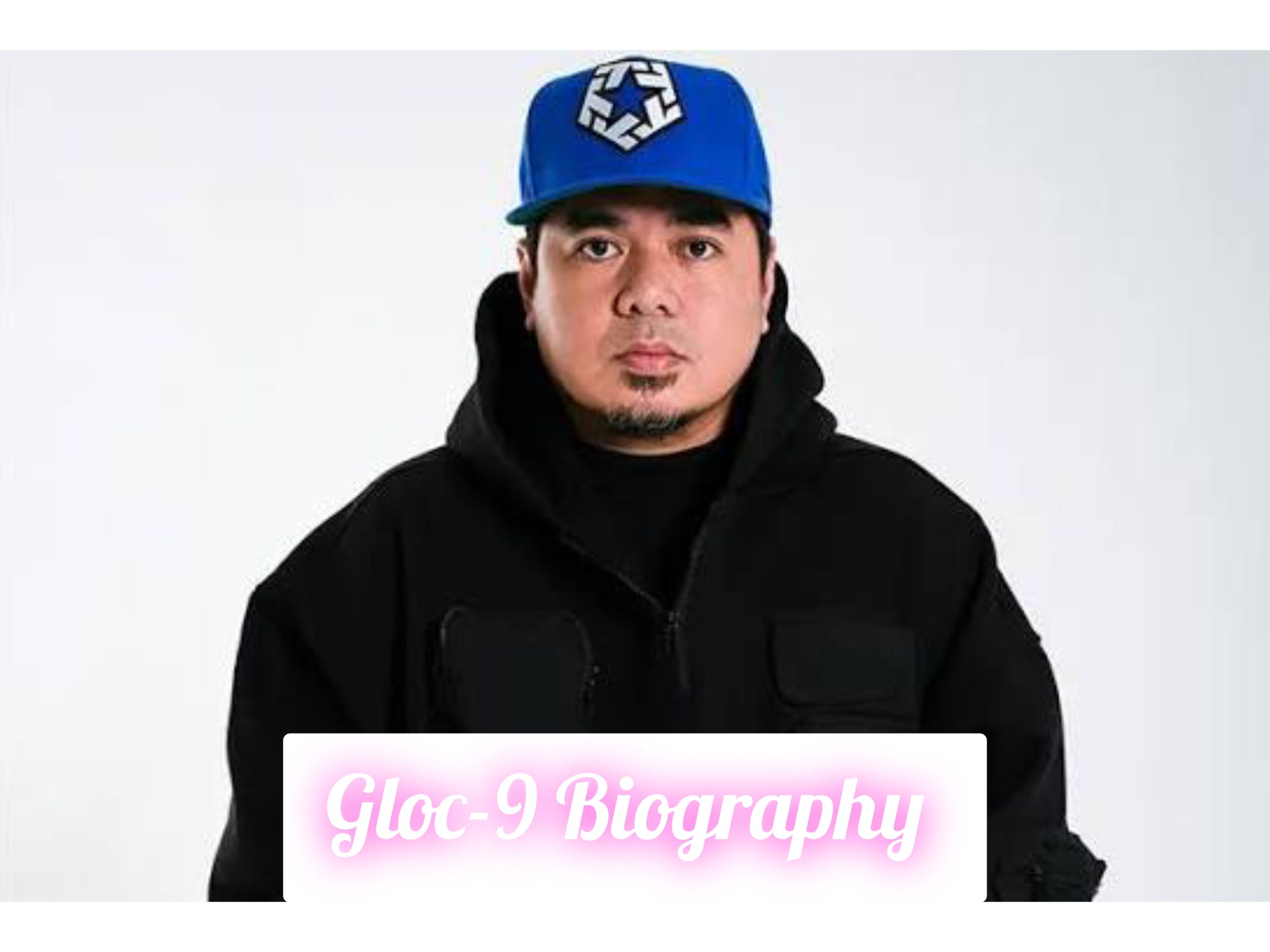
Aristotle Condenuevo Pollisco: The Life and Legacy of Gloc-9, Filipino Rap Icon
Aristotle Condenuevo Pollisco, known across the Philippines and beyond as Gloc-9, stands as one of the most influential voices in Pinoy hip-hop. Born and raised in Binangonan, Rizal, he transformed personal experiences of hardship, observation of everyday Filipino life, and a sharp command of language into music that resonates with millions. His rapid-fire delivery, socially conscious lyrics, and consistent output over more than two decades have earned him recognition as a poet of the streets and a chronicler of the nation’s realities.
This biography traces his path from a quiet lakeside town to national stages, examining the roots that shaped his art, the milestones of his recording career, the awards that marked his excellence, and the personal foundation that continues to ground his work. It draws on verified public records, interviews, and official releases to present a clear, factual account suitable for readers seeking an accurate portrait of the artist.
Gloc-9 Early Life
Aristotle Condenuevo Pollisco was born on October 18, 1977, in Binangonan, Rizal, Philippines. He is Filipino by nationality. His mother named him after the Greek shipping magnate Aristotle Onassis rather than the ancient philosopher. He grew up as the second of four children in a household where his father, Orlando Pollisco Sr., worked overseas as a mechanic in Saudi Arabia for many years. His mother, Blessilda, raised the children largely on her own, managing a small sari-sari store that supplied the family’s daily needs when remittances arrived late or fell short.
Binangonan, the municipality where Pollisco spent his formative years, sits in the province of Rizal within the Calabarzon region. The town occupies a triangular area between the foothills of the Sierra Madre mountain range and the northeastern shores of Laguna de Bay, the largest lake in the Philippines. It includes mainland barangays and portions of Talim Island. Historically, Binangonan began as a visita under the larger pueblo of Morong and became an independent parish in 1621 under Franciscan missionaries, with formal municipal establishment later recognized in the colonial and American periods. The name derives from the Tagalog root “bangon,” suggesting a place of rising or emergence. The local economy has long centered on fishing along the lake, farming, and more recently light industry and commerce. The Santa Ursula Parish Church, dating to the late 18th century, remains a cultural landmark. Residents have traditionally spoken Tagalog, and the mix of lakeside and semi-rural life exposed young people to a wide range of social conditions, from market vendors and jeepney drivers to families relying on overseas work.
Pollisco has spoken of how these surroundings trained his ear for language and story. He attended elementary school in Binangonan and high school in nearby Morong. Classmates came from varied backgrounds, and he absorbed their vocabulary and speech patterns. From an early age he showed a gift for words. Teachers and peers often asked him to create Filipino lyrics for popular English songs or slogans for school campaigns against drugs or for environmental awareness. At around age twelve he began writing what he later described as poems that evolved into rap verses. He would freestyle over cassette tapes with friends, discovering both the joy of performance and the power of precise, rhythmic speech.
Family life demanded practical contribution. When his father returned from overseas without immediate work, Pollisco helped as a jeepney conductor and barker on the Binangonan-Cainta route. He also assisted in the family store, ran errands at the market, and took odd jobs such as kitchen helper. These experiences placed him in constant contact with ordinary Filipinos facing daily struggles. The observations later became the raw material for songs about poverty, resilience, injustice, and quiet dignity. His mother’s discipline kept the household steady; he has noted that he never developed habits of heavy drinking, smoking, or tattoos common in some rap circles, attributing this restraint to her strict upbringing.
After high school he pursued higher education. Sources indicate studies at Far Eastern University and later enrollment in a nursing program at STI College-Fairview. He completed the nursing coursework around 2010 and sat for the board examination, though he did not pass. The decision to study nursing came during a period when he questioned the long-term viability of a music career and wanted a practical skill that could support his parents and, later, his own family. He balanced clinical duties with recording sessions, an experience that informed some of the more somber tones in his mid-career work.
Gloc-9 Career
Gloc-9’s professional path began in the mid-1990s underground hip-hop scene. He joined the group Death Threat after meeting members at a radio contest around 1996. The group’s raw gangsta-rap style matched the era’s energy. His stage name originated from a conversation with fellow member Beware (Ron Salanga), who insisted a rapper needed a strong moniker. Suggestions such as Magnum 45 or Kalibre 28 were set aside; Gloc-9, drawn from the Glock pistol and shortened by dropping the “k,” stuck. He contributed to Death Threat releases, including the highly successful Kings of da Undaground in 1997, which achieved multi-platinum status.
Early Solo Steps and Mainstream Breakthrough
After leaving the group around 1999, Pollisco worked as a music researcher for a media company, locating songs for films and television. He also took everyday jobs, including fast-food service. A demo tape without contact details but listing his real name and hometown reached producers. Christian Martinez helped develop early material. In 2003 Star Music released his solo debut album G9. Tracks such as “Simpleng Tao” introduced listeners to his rapid, articulate flow and grounded storytelling. Subsequent releases Ako Si… (2005) and Diploma (2007) under Star and then Sony refined his sound, blending hip-hop with R&B and harder edges.
The 2009 album Matrikula marked a turning point. The single “Upuan,” featuring Jeazelle Grutas of Zelle, addressed social inequality with striking clarity and became a cultural touchstone. It earned multiple awards and entered educational discussions. Follow-up albums Talumpati (2011), MKNM: Mga Kwento Ng Makata (2012, certified gold), and Liham at Lihim (2013, certified platinum) solidified his position. Collaborations with Francis Magalona on “Lando” and with Ebe Dancel on “Sirena” expanded his reach. “Sirena,” inspired by a gay neighbor in Binangonan who worked hard for family, later took on additional personal meaning when Pollisco publicly supported his son’s coming out.
Continued Evolution and Later Work
Later studio albums include Sukli (2016), Poot at Pag-ibig (2021), Pilak (2023), and Sari-Sari Story (2024). He has released EPs such as Limang Kanta Lang (2006), Rotonda (2017), and TULAy (2019), plus the live recording Biyahe Ng Pangarap (2014). Labels shifted among Star Music, Sony Music Philippines, and Universal Records, with periods of independence. Throughout, he maintained a prolific pace, writing in Filipino and addressing themes of poverty, corruption, identity, family, and hope without descending into pure cynicism.
Film contributions include soundtrack work for Star Cinema projects such as Jologs and Trip. He has performed extensively for overseas Filipino workers, drawing on his father’s experience, and accepted roles as a National Peace Ambassador and contributor to responsible voting campaigns. Songs such as “Upuan” entered Department of Education literature materials, extending his influence into classrooms.
Here is a bulletin list of selected studio albums: • G9 (2003) • Ako Si… (2005) • Diploma (2007) • Matrikula (2009) • Talumpati (2011) • MKNM: Mga Kwento Ng Makata (2012) • Liham at Lihim (2013) • Sukli (2016) • Poot at Pag-ibig (2021) • Pilak (2023) • Sari-Sari Story (2024)
Notable songs that defined periods of his career include “Simpleng Tao,” “Lando” (with Francis Magalona), “Upuan,” “Sirena” (with Ebe Dancel), “Magda” (with Rico Blanco), “Hari ng Tondo,” and more recent collaborations such as “Kalakal” with SB19.
Gloc-9 Musical Style and Themes
Gloc-9’s signature is a fast, precise chopper-style flow delivered primarily in Filipino. Francis Magalona once called him “a blacksmith of words and letters, and a true Filipino poet.” He draws vocabulary from everyday speech, market banter, jeepney conversations, and formal Tagalog, creating dense, rhythmic verses that reward repeated listening. Early work carried underground edge; later albums incorporated pop, rock, and melodic hooks while retaining lyrical substance.
Themes center on social observation rather than pure autobiography. Poverty, the indifference of the powerful, the dignity of ordinary labor, gender identity, and national identity recur. He avoids empty slogans, preferring concrete images of people navigating limited options. Melodic choruses and guest vocalists often balance the intensity of the verses, making the music accessible beyond core hip-hop audiences.
Gloc-9 Collaborations and Broader Contributions
Partnerships have been central to his catalog. Beyond Francis Magalona and Ebe Dancel, he has worked with Rico Blanco, Regine Velasquez, Parokya ni Edgar, Noel Cabangon, Joey Ayala, Shanti Dope, and later artists including members of SB19. These pairings introduced his voice to rock, pop, and newer hip-hop listeners. He has also supported emerging talent and participated in benefit performances and educational initiatives. Appointment as a peace ambassador and involvement in voter education campaigns reflected a consistent public stance favoring thoughtful civic engagement.
Gloc-9 Awards
Over a career spanning more than twenty-five years, Gloc-9 has accumulated more than sixty awards. These include the NCCA Gawad Sudi (National Music Award), recognizing sustained contribution to Philippine culture. He has received approximately twenty-one Awit Awards, among them Song of the Year and Album of the Year on multiple occasions, Best Rap Recording, and Best Collaboration. “Upuan” made history as the first rap track to win Song of the Year at the Awit Awards.
Myx Music Awards total around eighteen, covering Favorite Urban Video, Favorite Collaboration, Favorite Male Artist, and in 2024 the prestigious MYX Magna Award for exemplary contribution to Original Pilipino Music. He holds two FAMAS Awards for best theme songs (“Hari ng Tondo” and “Hindi Pa Tapos”). Additional honors come from the PMPC Star Awards for Music (nine), Philippine Hip-Hop Awards, and various other bodies. Albums MKNM: Mga Kwento Ng Makata and Liham at Lihim earned gold and platinum certifications from the Philippine Association of the Record Industry. In 2019 he was inducted into the Calle Con Hall of Fame. These recognitions reflect both commercial success and critical respect across decades.
Gloc-9 Personal Life
Pollisco married Thea Gomez, who previously worked in the creative department at GMA Network and later supported his career management. The couple has three children: twins Sean Daniel and Danielle Shaun, and a younger daughter, Savannah. In interviews he has described fatherhood as a profound influence that deepens his appreciation for the sacrifices his own parents made. He has publicly supported his son Sean Daniel after the latter came out as gay, linking the gesture to the empathy expressed years earlier in “Sirena.”
Despite national recognition, he maintains a relatively private family life. He continues to reside in the Philippines and has spoken of choosing to stay rather than pursue nursing work abroad, citing attachment to the place where he built his career and the desire to contribute to a better future for the next generation. Faith, gratitude to parents, and disciplined habits remain consistent themes in his public remarks.
Gloc-9 Influence and Legacy
Gloc-9 helped move Pinoy hip-hop from the underground into mainstream cultural conversation without diluting its observational edge. Younger artists cite his technical skill and thematic seriousness as models. His presence in school curricula, film soundtracks, and national campaigns demonstrates reach beyond entertainment. By writing primarily in Filipino and grounding songs in recognizable local realities, he reinforced the viability of vernacular hip-hop as both art and social document. Consistency across changing industry conditions, willingness to evolve sonically while retaining core values, and measured public engagement have sustained his relevance into a third decade of recording.
Conclusion
Aristotle Condenuevo Pollisco, known as Gloc-9, rose from the lakeside streets of Binangonan, Rizal, to become a defining figure in Philippine music. His biography is one of persistent craft, close attention to the lives around him, and the translation of ordinary struggle into enduring song. Through albums, awards, collaborations, and quiet personal commitments, he has given voice to experiences shared by many Filipinos while maintaining artistic integrity. His body of work continues to invite listeners to look carefully at the world they inhabit and to value the power of well-chosen words.
FAQs
What is Gloc-9’s real name and where was he born?
His full name is Aristotle Condenuevo Pollisco. He was born on October 18, 1977, in Binangonan, Rizal, Philippines.
How did Gloc-9 get his stage name?
A fellow member of the group Death Threat suggested he needed a rap name. Options involving firearm references were considered; Gloc-9, inspired by the Glock pistol and adjusted for sound, was chosen and remained.
What are some of Gloc-9’s most recognized songs?
Widely known tracks include “Upuan,” “Sirena,” “Lando” (with Francis Magalona), “Magda” (with Rico Blanco), and “Simpleng Tao.”
Has Gloc-9 received major national awards?
Yes. He has earned the NCCA Gawad Sudi, multiple Awit Awards including Song of the Year and Album of the Year, numerous Myx Music Awards including the 2024 MYX Magna Award, two FAMAS Awards for theme songs, and many others, totaling more than sixty honors.
Is Gloc-9 married and does he have children?
He is married to Thea Gomez. They have three children: twins Sean Daniel and Danielle Shaun, and daughter Savannah.
Did Gloc-9 study a profession outside music?
Yes. He completed a nursing program and took the board examination, balancing studies and clinical work with recording during a period when he sought a stable alternative career path.
What province and municipality is Gloc-9 from, and what is notable about the place?
He is from Binangonan in the province of Rizal. The municipality lies between the Sierra Madre foothills and Laguna de Bay, with a history tied to fishing, Tagalog culture, and colonial-era parish development. Its environment of mixed rural and working-class life strongly influenced his lyrical perspective.